Set It and Forget It: How Recurring Payments Became a Goldmine for Cybercriminals

America runs on subscriptions. From streaming platforms and cloud storage vaults to project management tools and meal-kit deliveries, the average U.S. household now maintains somewhere between 12 and 20 active recurring charges at any given moment. Convenience is the selling point. Invisibility, it turns out, is the vulnerability.
Cybercriminals have studied this behavioral pattern carefully. They understand that a $14.99 monthly charge rarely triggers a second look. They know that inbox fatigue dulls our response to renewal notifications. And they have built an entire category of attack strategy around one simple truth: the accounts you forget about are the accounts they can own for the longest time.
The Anatomy of a Subscription-Based Attack
The initial point of compromise typically follows one of three paths. In the first scenario, credentials stolen from a prior data breach — often years old — are tested against popular streaming and SaaS platforms through automated credential-stuffing tools. Because password reuse remains epidemic among American consumers, a single leaked email-and-password combination can unlock dozens of active accounts simultaneously.
In the second scenario, attackers use phishing campaigns specifically designed to mimic subscription renewal notices. These emails are sophisticated: they replicate the visual branding of Netflix, Spotify, Dropbox, or any number of familiar services, and they direct victims to convincing login portals engineered to harvest credentials in real time.
The third path is more patient. Bad actors purchase access to already-compromised accounts on dark web marketplaces, where streaming logins and cloud storage credentials are traded at prices ranging from a few cents to several dollars per account. The buyer's goal is not always immediate financial theft. Sometimes, access itself is the asset.
Why Subscription Accounts Are Worth More Than They Appear
A compromised Netflix account may seem like a minor inconvenience. In reality, it functions as a reconnaissance platform. Attackers who gain entry to a streaming service can often identify linked payment methods, billing addresses, and associated email accounts — all of which serve as breadcrumbs toward more lucrative targets like banking portals or investment accounts.
Cloud storage accounts present an even more serious exposure. Services like Google Drive, Dropbox, and iCloud frequently contain tax documents, scanned identification, legal contracts, and photographs that include embedded location data. An attacker with patient access to a cloud vault can accumulate a comprehensive personal profile over weeks without triggering a single alert.
SaaS tools used by small businesses carry their own category of risk. A compromised project management account — Asana, Monday.com, or Slack, for instance — can expose internal communications, vendor relationships, client data, and proprietary workflows. For a cybercriminal, that is not just a stolen subscription. That is competitive intelligence.
Notification Blindness: The Criminal's Best Ally
Modern subscription services send a steady stream of communications: renewal confirmations, password change alerts, new device login notices, and promotional offers. The sheer volume of these messages has conditioned most users to skim or delete them reflexively.
Attackers exploit this conditioning with precision. When they access an account from an unfamiliar device or location, many platforms generate an automated security alert. Under normal circumstances, that email would be a critical warning. In an overloaded inbox, it becomes digital noise.
Some threat actors go further, using account access to alter notification preferences — disabling security alerts entirely or redirecting them to secondary email addresses they control. By the time the legitimate account holder notices something is wrong, months of unauthorized access may have already occurred.
The Persistence Problem
What distinguishes subscription-based account compromise from a one-time data theft is its durability. A criminal who successfully infiltrates a recurring-payment account can maintain access indefinitely, so long as the subscription remains active and the victim remains unaware.
This persistence creates compounding risk. An attacker with six months of undetected access to a business cloud storage account has had six months to copy sensitive files, monitor internal communications, and identify additional targets within the same organization. The damage is not a single event — it is a slow, continuous extraction.
Defending Your Recurring Payment Ecosystem
Protecting yourself requires deliberate action, not passive trust in the platforms you use.
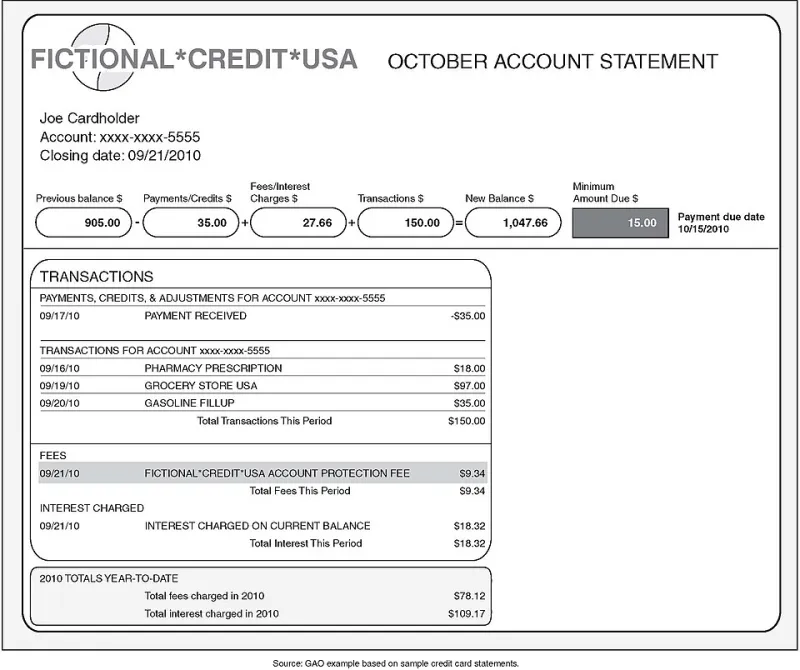
Conduct a subscription audit at least twice annually. Review every recurring charge on your credit card and bank statements. If you cannot immediately identify what a charge is for, investigate it. Dormant accounts you no longer actively use should be closed, not merely ignored.
Enable multi-factor authentication on every subscription account that supports it. This single measure dramatically increases the cost of unauthorized access, particularly against credential-stuffing attacks.
Use unique, complex passwords for each subscription service. Password reuse is the primary reason credential-stuffing attacks succeed. A dedicated password manager eliminates the cognitive burden of maintaining unique credentials across dozens of platforms.
Review active sessions on your accounts regularly. Most major platforms — Google, Apple, Amazon, Spotify — provide a list of devices and locations that have recently accessed your account. Any unfamiliar entry warrants immediate investigation and a password reset.
Monitor your email inbox for security notifications you did not initiate. A login alert you did not trigger is a red flag, not a notification to be dismissed.
Norton's suite of protective tools, including dark web monitoring capabilities, can alert you when your credentials surface in known breach databases — often before attackers have had the opportunity to act on that information. Early detection is the most effective form of damage control.
The Bigger Picture
Subscription fatigue is not merely a consumer annoyance. It is an attack surface. Every account you have forgotten about, every renewal you have stopped questioning, and every notification you have trained yourself to ignore represents a potential entry point for someone who is paying very close attention.
Cybercriminals have built their strategies around human behavioral patterns. Disrupting those patterns — through vigilance, regular audits, and layered security measures — is the most direct way to remove yourself from their target list.