Guarding the Guardians: When Your Smart Home Security Devices Become the Breach
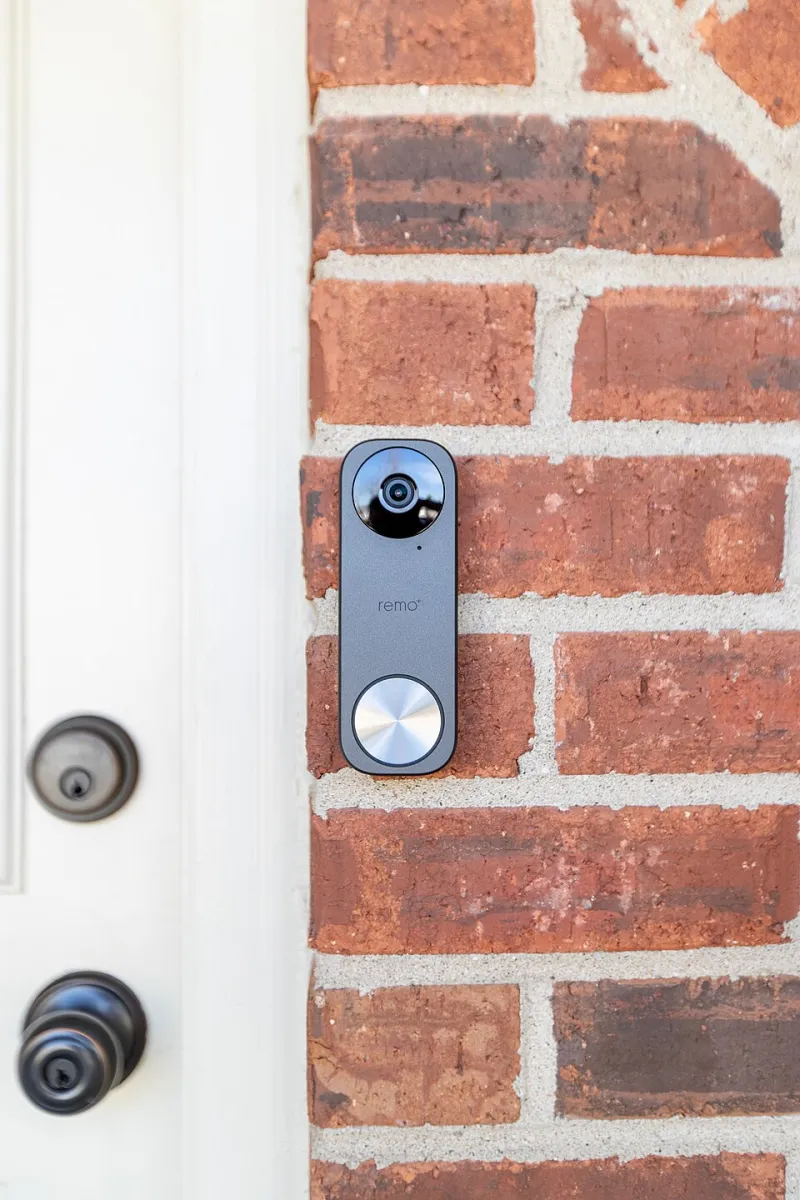
Photo: C05731, CC BY-SA 4.0, via Wikimedia Commons
There is a certain irony embedded in the modern American home. Families invest hundreds—sometimes thousands—of dollars in smart cameras, video doorbells, and voice-activated assistants, all in the name of security. Yet the very devices positioned at the perimeter of the home, watching for intruders, are quietly becoming one of the most exploited categories of consumer technology in the country. The promise of safety, it turns out, can carry a hidden cost.
According to data compiled by cybersecurity researchers, the number of internet-connected home devices in the United States surpassed 300 million in 2023. A significant portion of those devices are classified as security or surveillance products. What most consumers do not realize is that the same network connectivity enabling remote monitoring also creates a persistent, often poorly defended surface area that sophisticated attackers are actively probing.
The Anatomy of a Smart Device Compromise
To understand why these devices are vulnerable, it helps to understand how they are built. Most consumer-grade smart cameras and video doorbells are manufactured with speed to market as a primary design constraint. Security, while nominally present, is frequently an afterthought. The consequences of this approach are predictable.
Many devices ship with default administrative credentials—generic usernames and passwords that are identical across thousands or millions of units. Unless a consumer takes the deliberate step of changing these credentials during setup, the device remains accessible to anyone who consults a publicly available list of factory defaults. Automated scanning tools can identify and attempt to authenticate against thousands of exposed devices per hour, making brute-force attacks against weak or default credentials a low-effort, high-yield strategy for attackers.
Beyond authentication weaknesses, firmware vulnerabilities represent a second and equally serious problem. Unlike a laptop or smartphone, which typically prompts users to install updates, many smart home devices receive firmware patches infrequently or not at all. When a vulnerability is discovered in a camera's software stack—and such vulnerabilities are discovered regularly—devices that have not been updated remain permanently exposed. In documented cases, researchers have identified smart camera models still running firmware versions that were known to contain critical flaws for years after patches were released.
Real-World Consequences: What Attackers Do Once Inside
The intuitive fear associated with a compromised security camera is surveillance—an attacker watching live footage from inside a home. That threat is real, and incidents involving unauthorized access to residential camera feeds have been reported across the country. In several widely publicized cases, attackers gained access to indoor cameras and used the audio capabilities to harass or intimidate families, including children.
However, the more strategically significant threat extends beyond the camera itself. A compromised smart device is not merely a window into the home; it is a foothold on the home network. Once an attacker establishes a presence on a residential network through a vulnerable camera or doorbell, they gain the ability to observe and potentially interact with every other device connected to the same network—laptops, tablets, smartphones, and smart televisions. Sensitive data traversing the network, including banking credentials, email communications, and stored passwords, becomes accessible.
This lateral movement capability transforms a camera breach from a privacy violation into a full network compromise. For remote workers—a category that now encompasses tens of millions of Americans—the implications extend into professional territory. Corporate VPN credentials, proprietary documents, and internal communications may all be at risk when a home network is treated as a trusted environment without adequate segmentation.
The Voice Assistant Dimension
Smart speakers and voice assistants introduce a distinct set of concerns. Unlike cameras, which are passive observers, voice-activated devices are persistently listening for activation commands. Security researchers have demonstrated multiple techniques through which these devices can be manipulated, including ultrasonic signal attacks that issue inaudible commands to alter device settings, place unauthorized purchases, or unlock smart locks connected to the same ecosystem.
Additionally, because voice assistants are frequently integrated with other smart home systems—thermostats, door locks, lighting controls, and security systems—a compromise of the assistant can cascade into physical security failures. An attacker who successfully issues commands to a voice assistant may, under certain configurations, be able to disengage a smart lock or disable a connected alarm system entirely.
Network Segmentation: The Most Effective Countermeasure Available
The single most impactful step a homeowner can take to contain the risk posed by smart devices is network segmentation—the practice of placing IoT devices on a separate network from computers, phones, and other systems that handle sensitive data. Most modern home routers support the creation of a guest network or a dedicated VLAN (Virtual Local Area Network), both of which can be configured to isolate smart devices.
When a camera or voice assistant is placed on a segmented network, an attacker who compromises that device is contained within a walled environment. The compromised device cannot communicate directly with the laptop on the primary network where banking sessions occur or where work files are stored. Segmentation does not eliminate the risk of device compromise, but it dramatically limits the damage an attacker can cause once a foothold is established.
Configuration guidance varies by router manufacturer, but the general process involves accessing the router's administrative interface and enabling a secondary wireless network with its own password. All smart home devices should be connected exclusively to this secondary network, while computers, smartphones, and tablets remain on the primary network.
Additional Protective Measures Worth Implementing
Beyond segmentation, several complementary practices materially reduce exposure:
Change default credentials immediately. Every smart device should have its factory username and password replaced with a strong, unique credential before it is connected to the internet. A password manager can assist in generating and storing these credentials securely.
Enable automatic firmware updates wherever possible. If a device supports automatic updates, that feature should be activated. For devices that do not, a calendar reminder to check for updates quarterly is a reasonable minimum practice.
Audit your connected device inventory. Many homeowners are unaware of precisely how many devices are connected to their network. A network scanning tool can reveal the full inventory, including devices that may have been forgotten or that were connected by a family member without the primary account holder's knowledge.
Disable features that are not in use. Many smart devices include capabilities—remote access ports, universal plug-and-play protocols, microphone access—that are enabled by default but unnecessary for the average user. Disabling these features reduces the available attack surface.
Consider endpoint protection that covers IoT environments. Comprehensive security platforms, such as those offered through Norton's consumer product suite, extend visibility beyond traditional computing devices and can alert users to unusual network behavior that may indicate a compromised smart device.
Reframing the Concept of Home Security
The proliferation of smart security devices reflects a genuine and understandable desire for safety. That desire is not misplaced. These technologies, properly configured and maintained, do provide meaningful protective value. The problem is not the technology itself but the gap between how these devices are marketed and how they are actually deployed.
Manufacturers present smart cameras and doorbells as plug-and-play solutions requiring minimal technical knowledge. That framing, while commercially effective, obscures the ongoing maintenance and configuration responsibility these devices place on the consumer. A camera that is never updated and sits on a flat, unsegmented network is not a security asset. It is a liability with a lens.
True home security in the digital era requires treating the network with the same deliberateness applied to physical locks and alarm systems. The devices watching your front door deserve protection of their own—and the network they inhabit deserves careful, layered defense.